Fall is such a beautiful time of year, and I love adding fun and creative fall activities in the classroom. After years of teaching 4th and 5th grade language arts, I learned that students were much more excited about reading responses when they could create something along with it, like these fun pumpkin book report ideas.
Teaching traditional book reports is very important, but if your students are just starting to learn about book reports, or if you are simply looking for a fun alternative, these seasonal pumpkin book reports can give students meaningful reading and writing practice while creating something that they are excited to share.
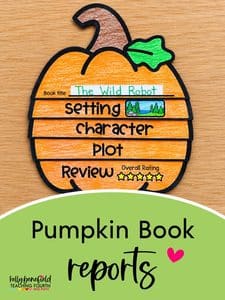
That is why I love these fun pumpkin book report ideas for fall. Students can respond to fiction or nonfiction books, practice important reading skills, and create a finished pumpkin that makes an adorable fall reading bulletin board.
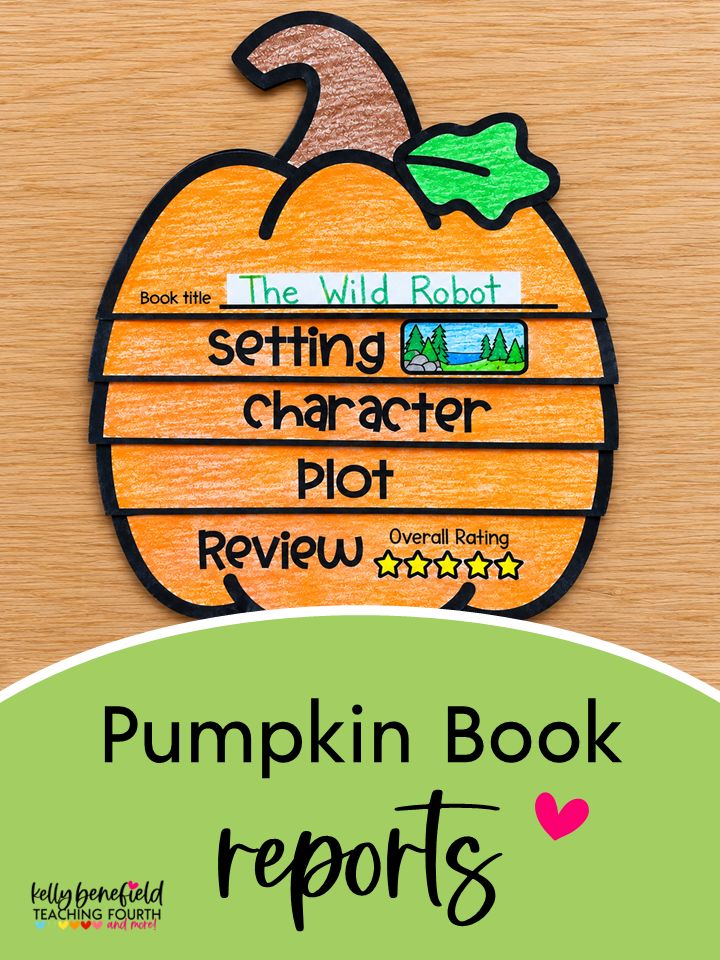
A Pumpkin Book Report for Fall
These pumpkin book reports are much more than just a fun craft. Each section of the pumpkin gives students an opportunity to think about and respond to what they have read.
As students complete the pages, they color and cut out each section. The pieces are then stacked and attached at the top to create a pumpkin-shaped book report.
I especially love that you can lift each section to see the students’ work underneath. The finished pumpkin may look like a fall craft, but under each flap you will find plenty of reading comprehension going on!
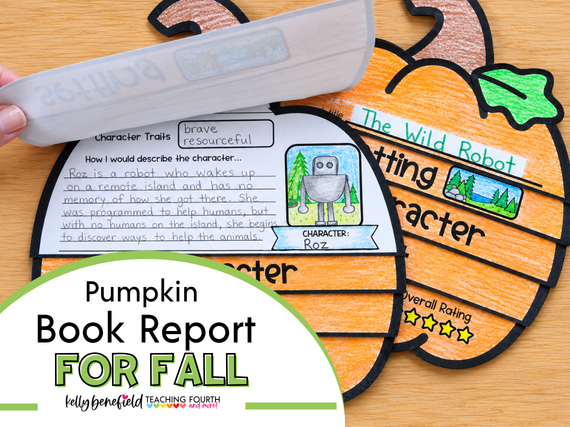
This makes the activity a fun choice for independent reading, a class novel, literature circles, book clubs, or even a read-aloud.
Practice Story Elements with These Fun Pumpkin Book Report Ideas
When students are reading fiction, a pumpkin book report is a fun way to practice important story elements without handing them another traditional reading worksheet.
Students can respond to their books by thinking about skills such as:
- setting
- characters and character traits
- plot
- problem and solution
- summary
- overall response to the book
Students are still doing the thinking and writing we want from a reading response—they are simply doing it in a format that feels a little more special.
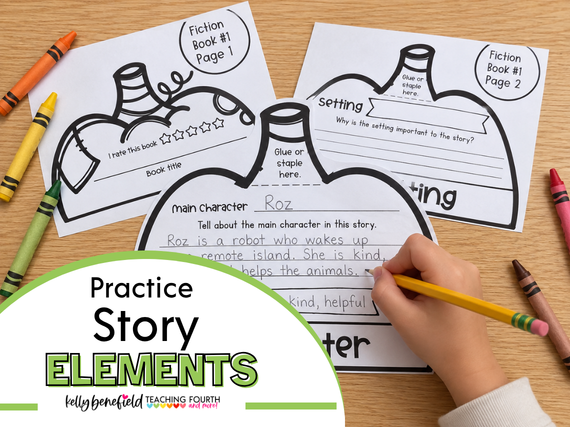
One of my favorite things about this type of activity is that students can make their pumpkins their own. Their handwriting, illustrations, coloring, and responses make every finished project a little different.
And yes, coloring is involved! Even upper elementary students often enjoy having an opportunity to pull out the crayons or colored pencils while they work.
Use Pumpkin Book Reports with Nonfiction, Too
Fall reading activities don’t have to be limited to fiction.
Nonfiction books work beautifully with this type of reading response, especially if your students are reading biographies, informational texts, or nonfiction books during independent reading.
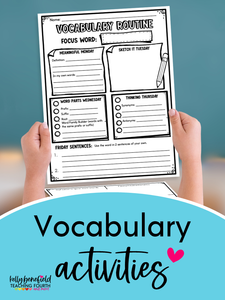
For nonfiction, students can respond to things such as important facts, new vocabulary, questions they still have, and information they learned from the text.
This also makes it easy to differentiate your fall reading activity. One student might complete a pumpkin after reading a favorite novel while another responds to a nonfiction book.
An Easy-Prep Fall Reading Activity
As a teacher, I always appreciated activities that were engaging for my students without requiring hours of prep for me.
For these pumpkin book reports, simply choose the version you would like your students to complete and print the pages. Students do much of the rest—writing, coloring, cutting, and assembling their pumpkins.
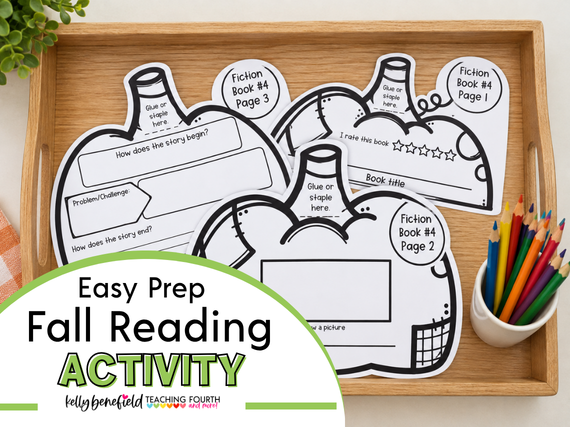
You can even have students work on one section at a time as they read. This works especially well if you want the book report to become an ongoing reading response rather than something students complete all at once after finishing a book.
It can also be an easy activity to keep available during independent reading time.
Turn Your Book Reports Into a Fall Reading Bulletin Board
And then comes my favorite part…
Don’t take these home just yet!
Once students have completed their pumpkin book reports, use them to create a fall reading bulletin board.
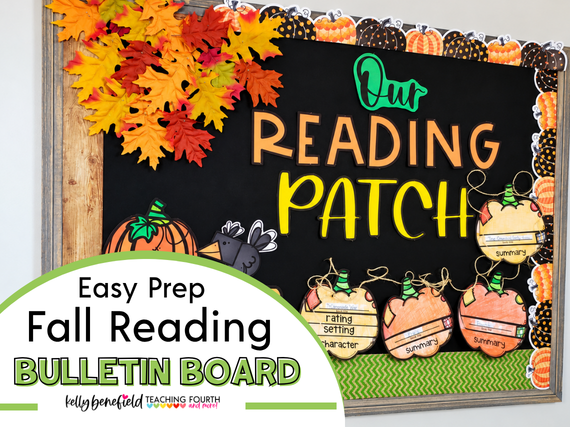
Displaying student work gives the activity another purpose. Instead of completing a book report and putting it straight into a folder, students get to see their work become part of the classroom.
A reading patch filled with pumpkins is perfect for September, October, or November, and because the pumpkins are fall themed rather than strictly Halloween themed, the display can stay up throughout the season.
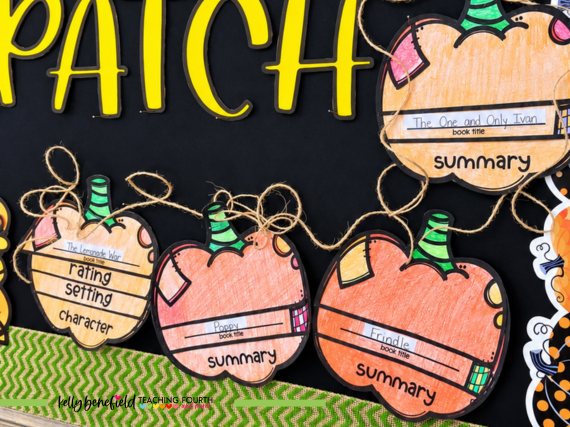
I also love the idea of letting students look through the pumpkins created by their classmates. Seeing what someone else read—and what they thought about it—may even help a student discover the next book they want to read!
More Ways to Use Pumpkin Reading Responses
You don’t have to use these only as a traditional book report. They can easily fit into several parts of your reading block.
Try them after literature circles or book clubs, with independent reading books, after a class novel or read-aloud, or as a reading response project. They can also be a fun option for early finishers who need a meaningful activity connected to a book they are already reading.
If you have students reading different books, that’s perfectly fine, too. In fact, I think a bulletin board filled with pumpkins representing lots of different books makes the display even more interesting.
Make Reading Response a Little More Fun This Fall
Reading responses don’t always have to look like traditional worksheets.
Sometimes changing the format is all it takes to make familiar reading skills feel fresh again.
These pumpkin book reports give students practice thinking about what they read while adding a little creativity to the process. And when the work is finished, you have a classroom full of colorful pumpkins that actually show what your students are learning as readers.
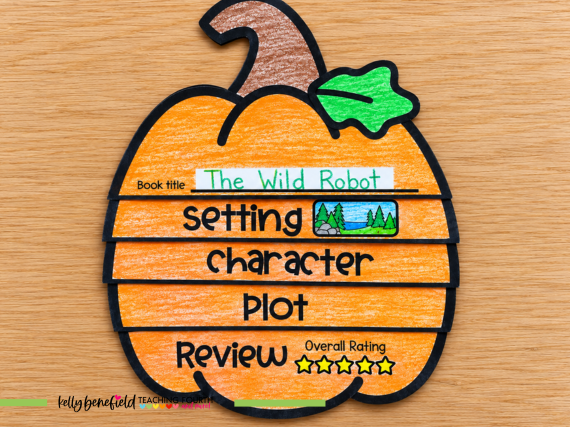
For me, that’s the best kind of classroom display—something that’s cute enough to decorate the room but meaningful enough to show real student learning.