Reading responses are a great way to get students thinking about what they read—but they don’t always have to look like another worksheet!
Giving students a variety of reading response activities can help them think more deeply about a text, practice important comprehension skills, and show what they understand in creative ways. They can also give students opportunities to work with skills like character analysis, main idea, summarizing, making connections, and finding text evidence.
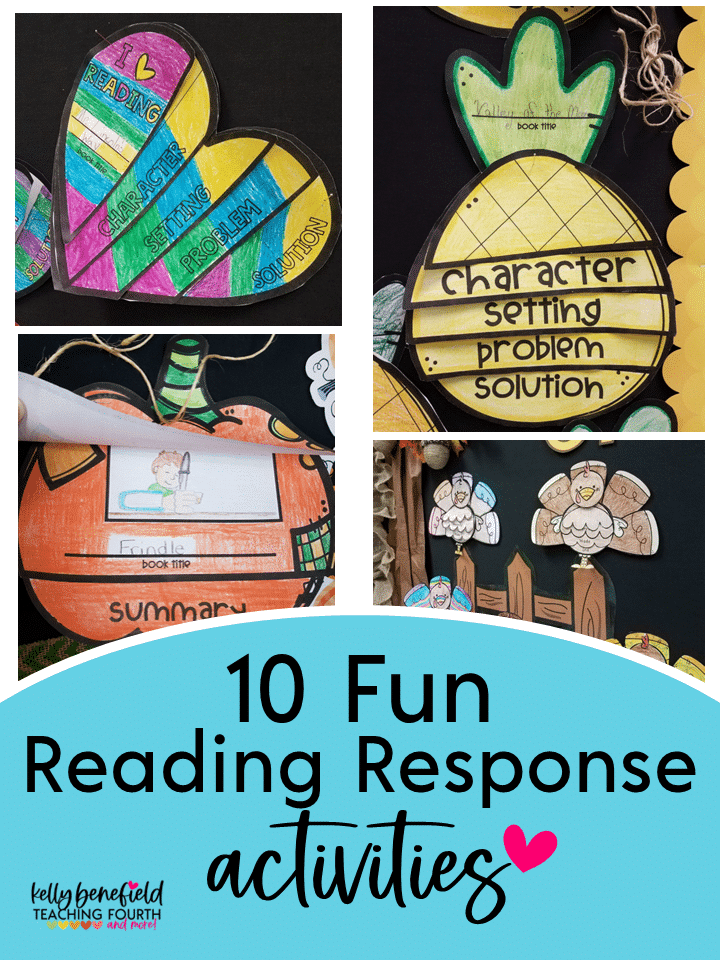
If you’re looking for ways to make reading response a little more engaging, these fun reading response activities for upper elementary can be used with independent reading, whole-class texts, reading groups, and more. Best of all, many of these ideas can be adapted to almost any book or story you’re already using.
Here are 10 creative reading response ideas to try with your students!
Why Are Reading Response Activities Important?
Reading response activities give students an opportunity to slow down and really think about what they are reading. Instead of simply finishing a story or passage and moving on, students can reflect on the text and show what they understand.
Reading responses can also help students:
- practice important reading comprehension skills,
- think more deeply about characters, events, and ideas,
- find and use text evidence,
- make connections to what they are reading,
- practice expressing their ideas in writing, and
- develop a purpose for reading.
Reading response journals are one popular way to do this. Students can write, draw, and record their thoughts about a text as they read. Journals are wonderful, but sometimes it’s fun to switch things up!
Reading responses can also be a great way to strengthen student writing. Read more about how reading response activities can lead to better writing.
Adding a variety of fun reading response activities to your routine can give students new ways to show their understanding while still practicing those important comprehension skills.
And sometimes a simple change in format is all it takes to make reading response feel new again!
Fun Reading Response Activities for Upper Elementary
Reading responses don’t have to look the same every time! Giving students different ways to respond can add a little variety while still providing meaningful practice with important comprehension skills.
The best part is that many reading response activities can be used with almost any text. Try them with independent reading books, read-alouds, literature circles, short stories, or even your reading curriculum.
Here are 10 fun reading response activities to add to your reading routine.
1. Create a Reading Response Flipbook
Reading flipbooks are one of my favorite ways to change up the traditional reading response.
Instead of answering questions on a regular worksheet, students can record information under different flaps or sections of a flipbook. Depending on the text, students might identify story elements, sequence important events, describe characters, summarize, or record important information from a nonfiction text.
One thing I noticed in my classroom was that my students rarely commented on a new bulletin board—unless it displayed their own work! They loved seeing something they had created hanging in the classroom.
That’s one reason I began using seasonal reading response flipbooks. Students could practice important reading skills and create something they were proud to display at the same time.
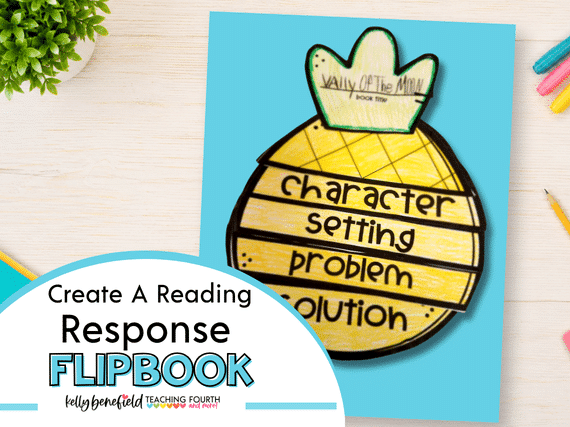
If you’d like to try this without creating your own templates, my seasonal Reading Response Flipbooks include ready-to-use options for fiction and nonfiction.
2. Draw an Important Scene
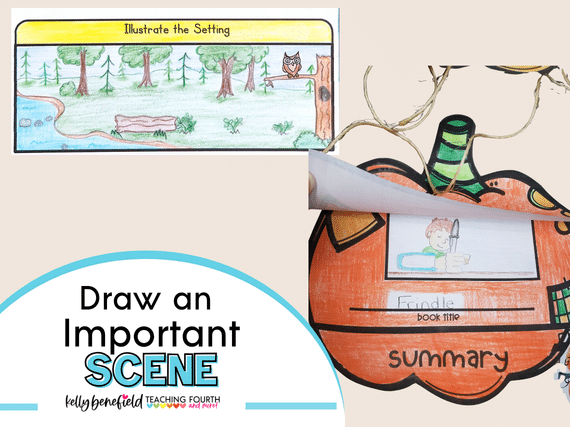
Sometimes drawing can lead to some wonderful thinking about a text.
Ask students to choose a scene they believe is especially important and illustrate it. The most important part comes next: have them explain why they chose that scene.
You might ask:
- Why is this scene important to the story?
- What does it show us about a character?
- How did this event affect what happened next?
- What details from the text did you include in your illustration?
Students aren’t simply drawing a picture. They’re making a decision about which information is important and supporting their thinking with details from the text.
3. Write From a Character’s Point of View
Put students in the character’s shoes!
After reading, ask students to write a short journal entry, letter, or note from the point of view of one of the characters.
Encourage them to think about what the character might be thinking or feeling at a particular point in the story.
This is a fun way to practice point of view while also encouraging students to think more deeply about character traits, motivations, and events.
For an extra challenge, have two students write about the same event from two different characters’ perspectives and compare their responses.
4. Use a Reading Graphic Organizer
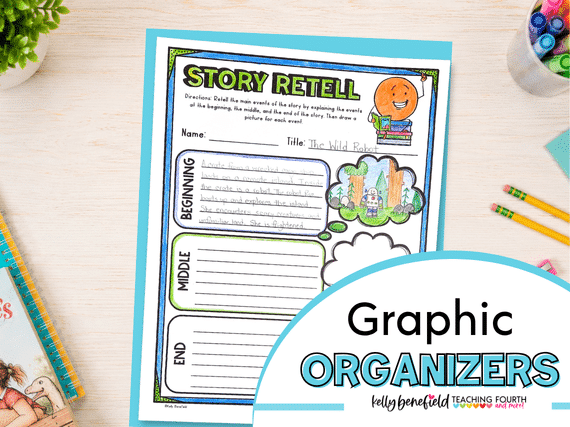
Graphic organizers are a simple way to help students organize their thinking before, during, or after reading.
Depending on the text and the skill you’re practicing, students might use a graphic organizer to explore:
- character traits,
- story elements,
- main idea and details,
- cause and effect,
- text evidence,
- theme,
- compare and contrast, or
- sequence of events.
I especially like graphic organizers because you can use them with the texts you’re already reading. You don’t have to find another passage just to practice a comprehension skill.
5. Create a Character Snapshot
Choose an important character and create a quick “snapshot” of that character.
Students might include the character’s traits, an important action, a challenge the character faced, and something the character learned or how the character changed.
The key is asking students to go beyond simply choosing a character trait.
If a student says a character is brave, for example, ask:
What did the character say or do that makes you think that?
Requiring students to support their choice with evidence turns a simple character activity into deeper reading comprehension practice.
6. Design a New Book Cover
This one lets students be creative while still requiring them to think carefully about the text.
Have students design a new cover for a book or story they have read. Their cover should include an illustration that represents an important character, event, setting, or idea from the text.
Then have students add a short tagline or description that would make someone want to read the book.
You can also ask students to explain why their cover represents the story well.
It’s a fun combination of comprehension, writing, and creativity!
7. Write an Alternate Ending
What if the story ended differently?
Ask students to choose a point near the end of the story and change one important event. Then have them write a new ending based on that change.
The challenge is making the new ending fit the characters and events that have already happened.
This encourages students to think about cause and effect, character motivation, plot, and sequence while getting in a little creative writing practice at the same time.
8. Create a One-Page Book Recommendation
Turn students into book reviewers!
After finishing a book, students can create a one-page recommendation for another reader.
They might include:
- the title and author,
- a short spoiler-free summary,
- their favorite part,
- who they think would enjoy the book,
- a rating, and
- reasons for their recommendation.
You could even display the finished recommendations in your classroom library to help other students choose their next book.
9. Respond With Text Evidence
Give students a question or statement about their reading and ask them to prove their answer.
For example:
Which character changed the most?
What was the most important event?
What is one lesson the character learned?
Students give their answer and then find details from the text that support their thinking.
You can make this activity work with almost any fiction or nonfiction text simply by changing the question. It’s also an easy way to make text evidence part of your regular reading routine rather than teaching it only as an isolated skill.
10. Add a Seasonal Twist to Reading Response
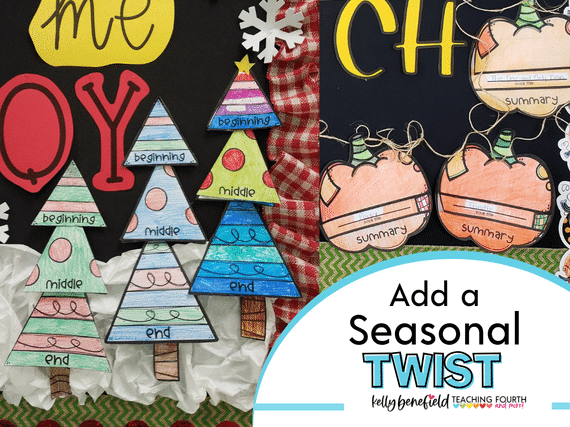
Sometimes the easiest way to make a familiar activity feel new is simply to give it a seasonal twist.
Try changing the shape or format of a reading response throughout the year. A fall reading response might become an acorn or leaf, while winter responses might use mittens or other seasonal shapes.
The comprehension skills don’t have to change—the presentation does.
This is one reason I love seasonal reading flipbooks. Students are still practicing meaningful reading skills, but the changing format adds a little fun throughout the school year.
Seasonal responses can also make wonderful classroom displays. Instead of creating a separate bulletin board activity, students’ reading work becomes the display!
Make Reading Response Fun!
Reading response doesn’t have to mean answering the same questions after every story. Adding a little variety can give students new ways to think about what they read while still practicing important comprehension skills.
Try a few of these fun reading response activities throughout the year and see which ones your students enjoy most. You may find that simply changing the format brings a little extra excitement to your reading routine!
Ready-to-Use Reading Response Flipbooks
If you like the idea of using reading flipbooks but don’t have time to create them yourself, I’ve created a collection of seasonal Reading Response Flipbooks that are ready to print and use.
The flipbooks give students a fun way to respond to fiction and nonfiction while creating a finished project that also makes a great classroom or bulletin board display.
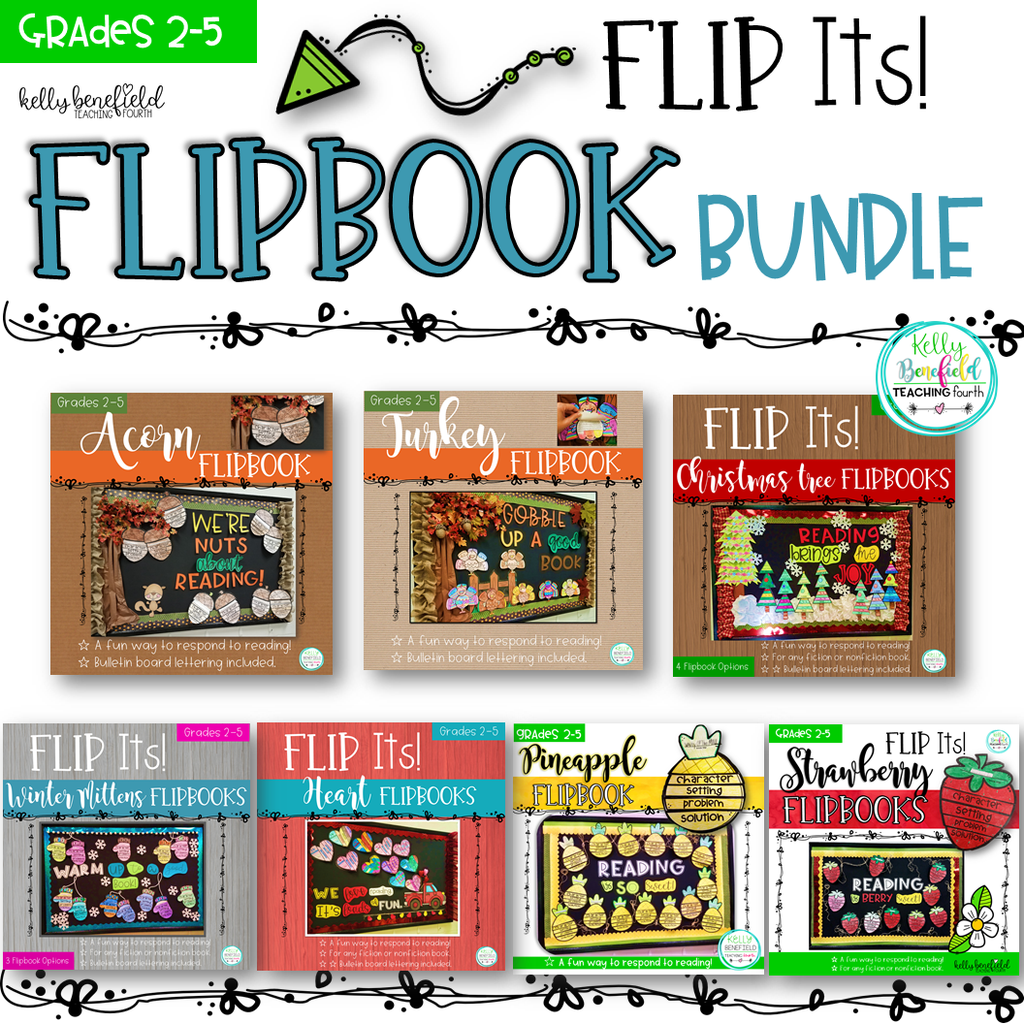
You can choose individual seasonal flipbooks or grab the bundle to have reading response activities ready to use throughout the year.